
Cookin Edits
The braai table
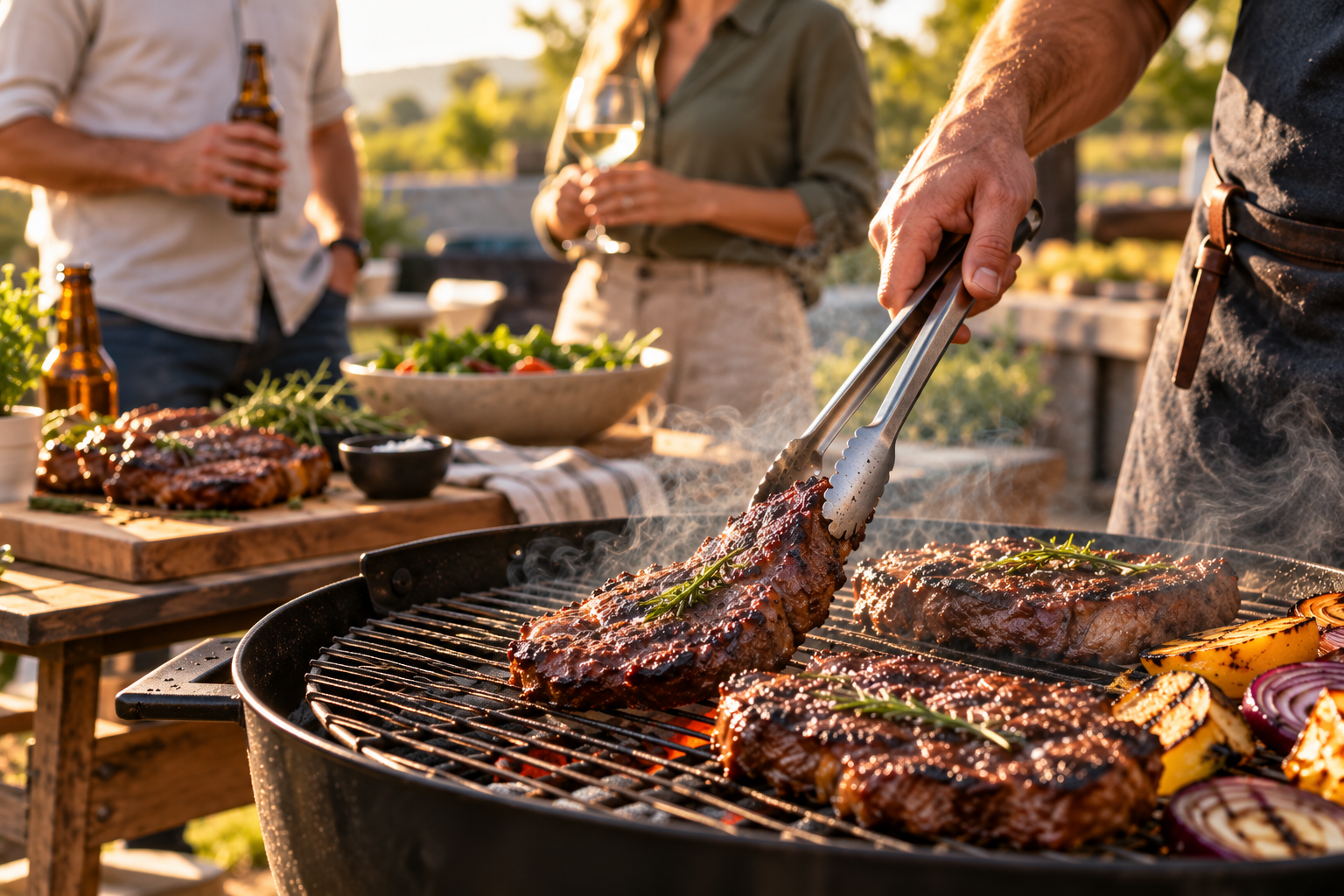
A Cookin edit on the South African braai as an afternoon rather than a meal — the timing, the table, and the handful of pieces that make it effortless.
A clear, practical route from a steady bed of coals to a properly rested steak — written for the South African braai and awaiting Cookin’s own test cook.
By Cookin · 24 September 2026 · 3 min read
A good steak on the braai is less about tricks than control: an even cut, a settled fire, a clear temperature target and enough patience to let the meat rest. This draft method brings those decisions into one place. It is based on established cooking practice and remains provisional until Cookin has completed and signed off its own test cooks.
Sirloin is the useful starting point here: it has enough exterior fat for the fire, a clear grain for slicing and a familiar balance of tenderness and flavour. Ask for steaks about 25–30mm thick so the centre has time to reach its target before the outside goes too far.
Rib-eye is richer and needs closer attention as its fat renders over the coals. Rump is leaner, usually firmer and particularly good sliced thinly across the grain. Fillet is very tender but mild and easy to overshoot. Whichever cut you choose, keep thickness consistent and use temperature rather than the clock alone.
Light the braai early. Cook over glowing coals rather than active flames, banking a deeper layer on one side and a thinner layer on the other. The hotter side gives you colour; the gentler side gives you somewhere to move the steak if the surface is ready before the centre. Clean the grid and let it heat before the meat goes on.
Pat the steaks dry so surface moisture does not work against browning. A thin film of neutral oil helps the seasoning adhere; salt should be even rather than heavy. Pepper can scorch over fierce heat, so use a moderate amount before cooking or add it after slicing if your coals are especially hot.
Remove the steak a few degrees before the final temperature you want, then rest it loosely and away from direct heat. Slice across the grain with a sharp knife. Finish with the resting juices, a final pinch of salt if needed and lemon at the table rather than over the whole board.
Provisional recipe
Steak
To serve
Take the steaks from the fridge 20–30 minutes before cooking. Pat them thoroughly dry. Keep them out only as long as needed to prepare the fire and never leave raw meat in direct sun or warm conditions.
Prepare a two-zone braai over wood or charcoal: a deep, hot bed of glowing coals on one side and a shallower, gentler area on the other. Wait for active flames to subside, then clean and preheat the grid.
Rub the steaks lightly with the oil. Season evenly with the measured salt and pepper immediately before they go onto the grid.
Place the steaks over the hotter coals. Braai for about 2–3 minutes on the first side, then turn with tongs and cook for about 2–3 minutes on the second. These timings are indicative: move the meat sooner if flare-ups or very fierce heat threaten to scorch it.
Check the centre from the side with an instant-read thermometer. If the exterior is ready before the centre, move the steaks to the gentler zone and turn every minute until they reach the provisional removal range: 52–54°C for medium-rare or 58–60°C for medium. For anyone who is pregnant, immunocompromised, elderly or otherwise at higher food-safety risk, cook whole beef steaks to at least 63°C and rest for 3 minutes.
Transfer to a clean board and rest loosely covered for 7–10 minutes. Expect the internal temperature to rise slightly; exact carry-over depends on steak size, heat and conditions.
Identify the direction of the grain and slice across it. Spoon over any juices from the board, taste before adding flaky salt, and serve with lemon wedges alongside.
Notes
Where to look next
Cookin Edits
A Cookin edit on the South African braai as an afternoon rather than a meal — the timing, the table, and the handful of pieces that make it effortless.
Buying Guides
Length, steel, weight and handle — the four things that actually decide whether you reach for a chef's knife every day, and the ones that are mostly marketing.
How To
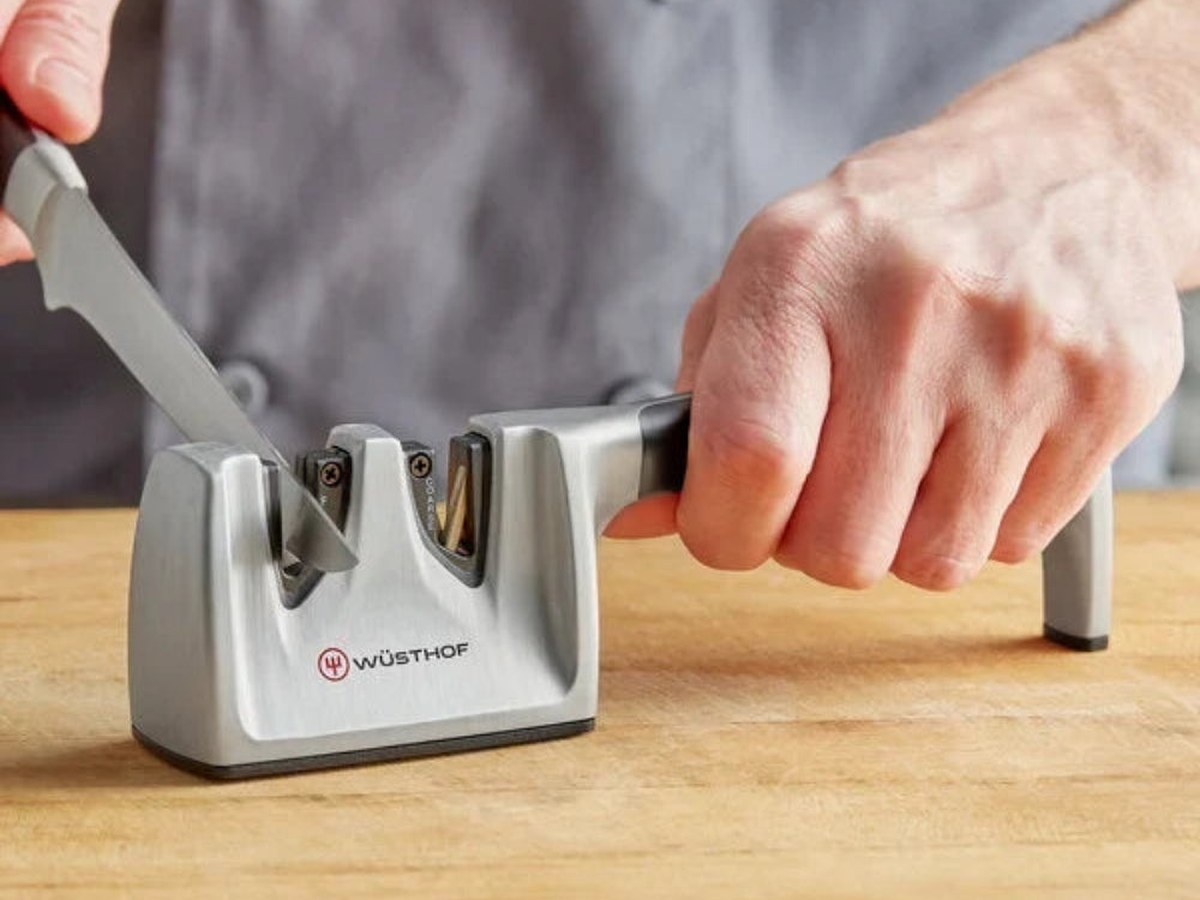
Learn when to hone or sharpen a kitchen knife, how to use a honing rod safely, which common habits damage an edge, and when to call a professional.