How To
How to Keep Your Kitchen Knives Sharp
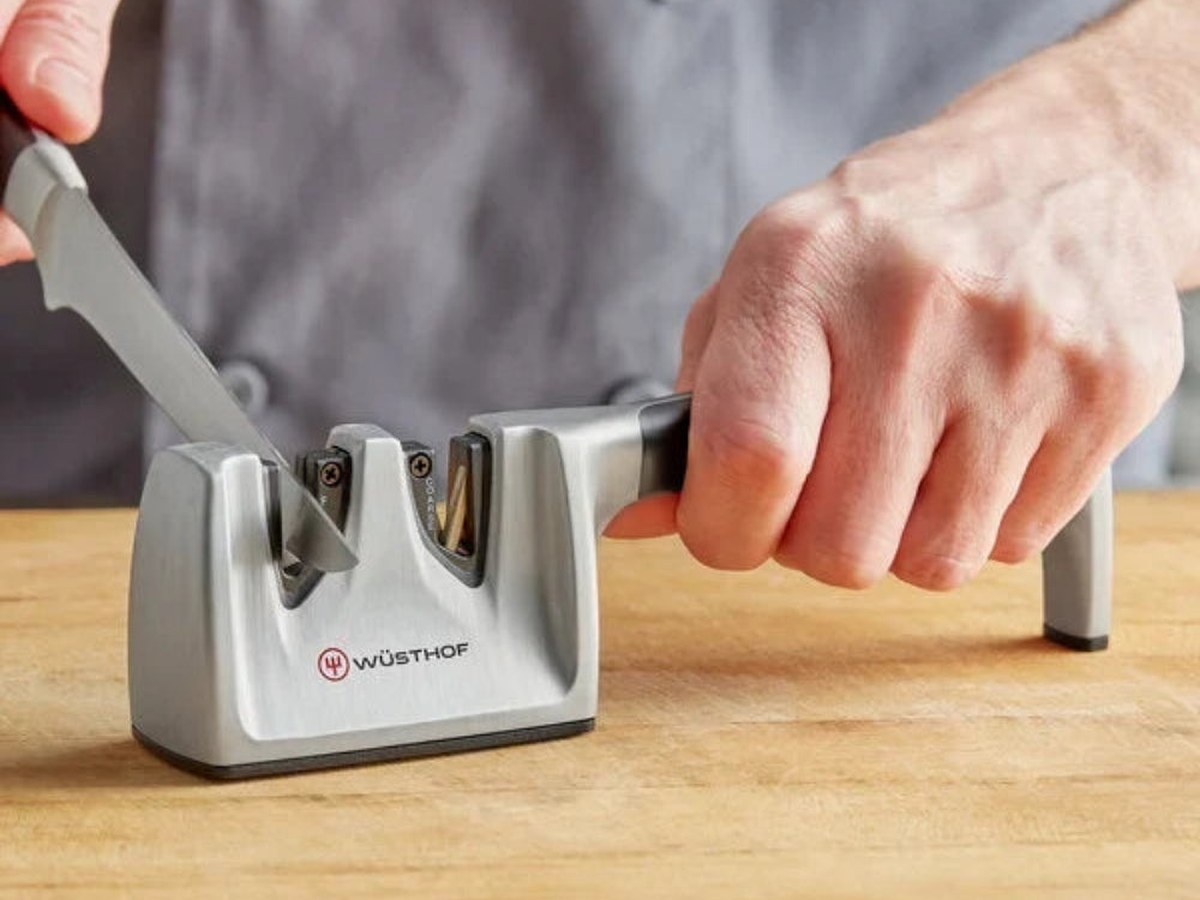
Learn when to hone or sharpen a kitchen knife, how to use a honing rod safely, which common habits damage an edge, and when to call a professional.
One knife does eighty percent of the work. Here is how to pick the one that suits your hand.
By Cookin · 22 September 2026 · 3 min read
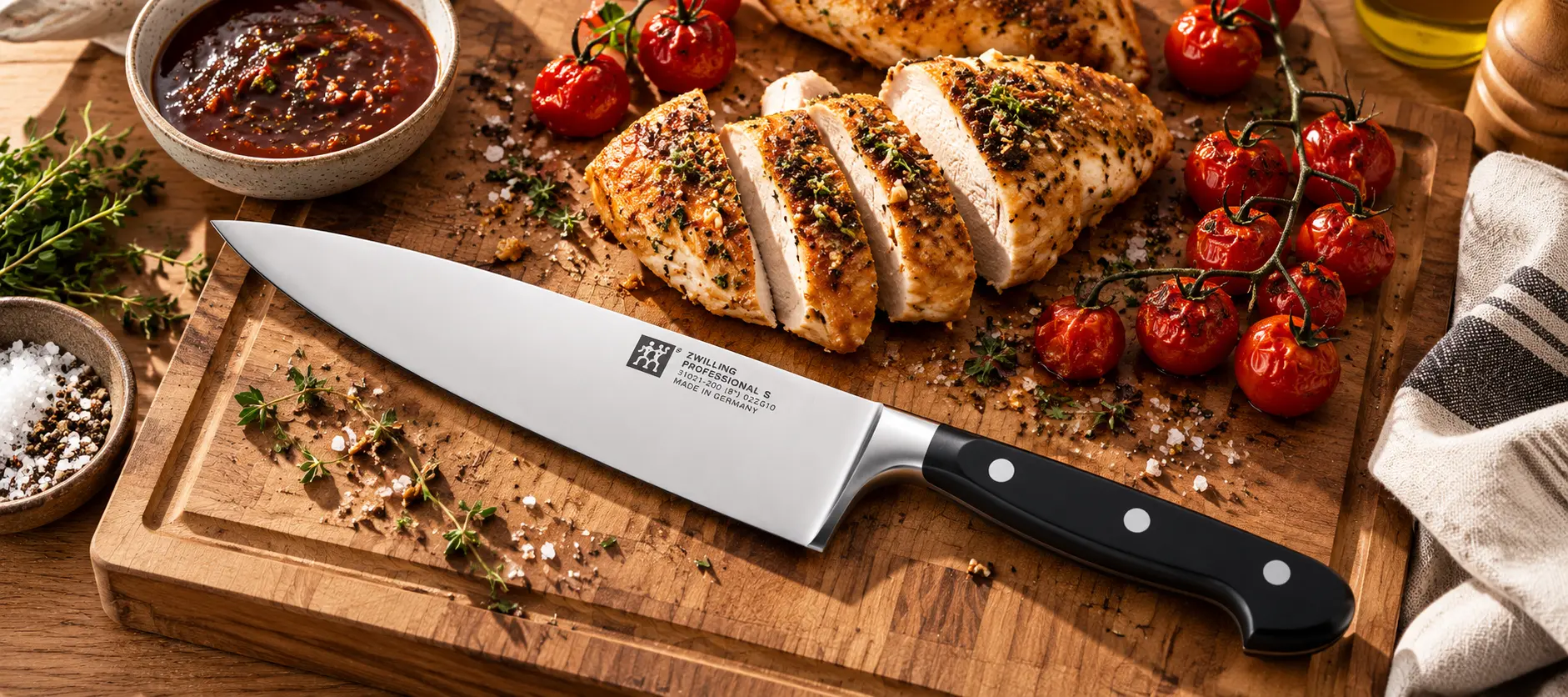
A chef's knife is the piece of equipment you touch most and think about least. Almost everything that happens on a board — onions, herbs, chicken, butternut, a whole week of dinners — happens with this one knife. Which is why buying a good one is the single highest-return decision in a kitchen, and why the choice deserves more than a glance at a price tag.
The good news is that the decision comes down to four things. Everything else on a product page is detail.
A 20cm blade is the classic professional length. It slices in one pass rather than sawing, it clears a full board of onion in half the strokes, and once you are used to it, nothing shorter feels adequate. It also needs a board with room and a cook who is comfortable with it.
A 16cm blade is the honest recommendation for most home kitchens. It is easier to control, it suits a smaller board and a smaller hand, and people who buy it tend to actually use it. If you are nervous with knives, start here — you can always add length later.
German and Japanese knives sit at two ends of a spectrum. German steel is a little softer. It takes a fine edge, holds it well, and — crucially — it will tolerate being dropped, twisted through a joint, or sharpened by someone who is still learning. Japanese steel is harder. It takes a keener edge and keeps it longer, but it is more brittle: chip it against a bone or a ceramic plate and the repair is a real job.
Neither is better. A first serious knife is usually better in German steel. A second knife, bought by someone who now looks after their edges, is often Japanese.
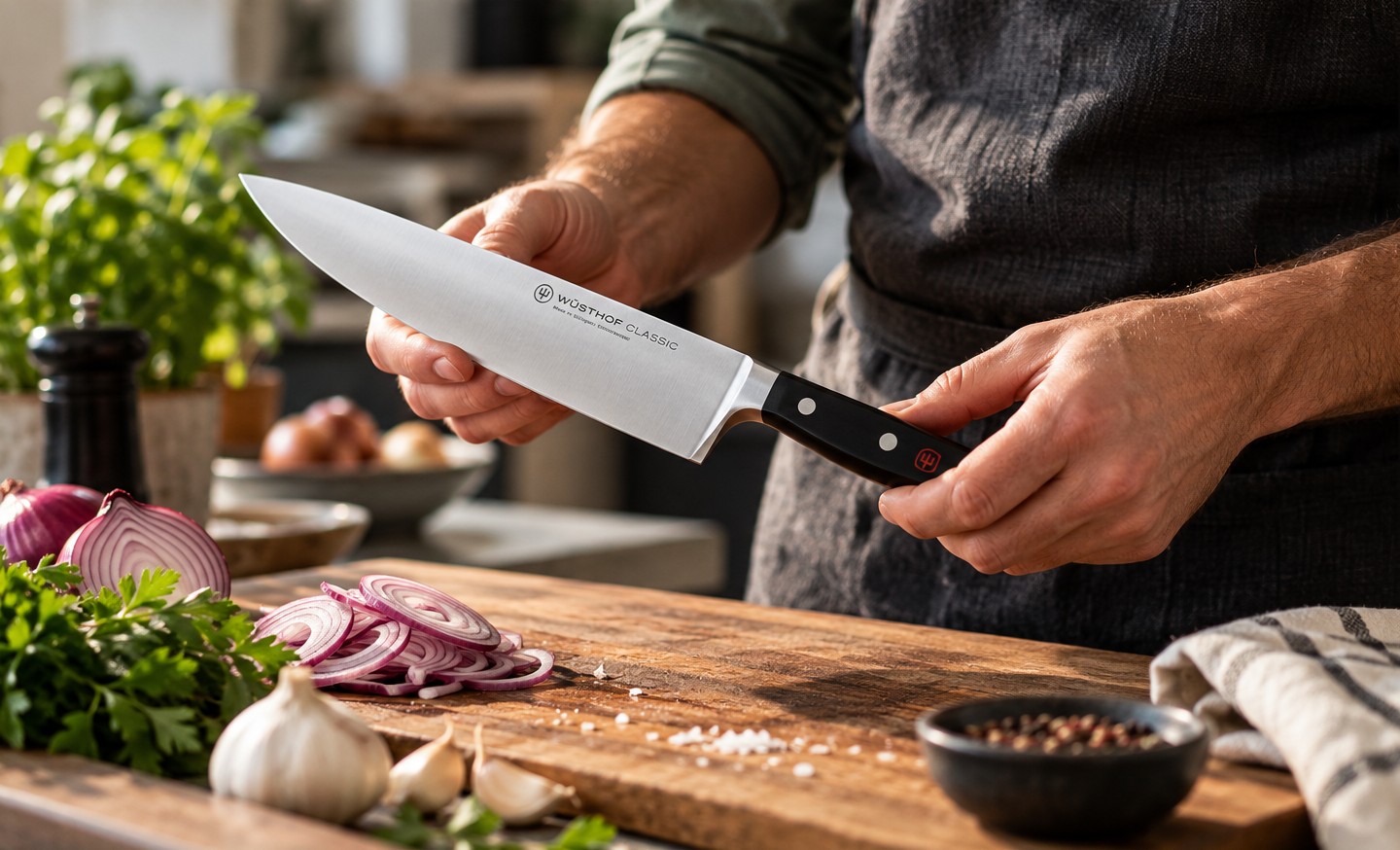
A forged knife has a bolster — the thickened collar between blade and handle — and it shifts the balance point towards your hand. Heavier knives do more of the work under their own momentum, which suits rocking cuts and dense vegetables. Lighter, stamped or Japanese-style blades reward speed and precision. Both are legitimate. What matters is that the knife feels neutral in your grip rather than tipping forwards or backwards.
Hold the knife the way you will actually use it: thumb and forefinger pinched on the blade, remaining fingers wrapped around the handle. If your knuckles hit the board when you cut, the handle is too low. If your grip slides when your hands are wet, the material is wrong for you. This is the only part of the decision that cannot be made from a specification.
A knife bought properly is not an annual purchase. It is a thirty-year one.
Where to look next
How To
Learn when to hone or sharpen a kitchen knife, how to use a honing rod safely, which common habits damage an edge, and when to call a professional.
How To
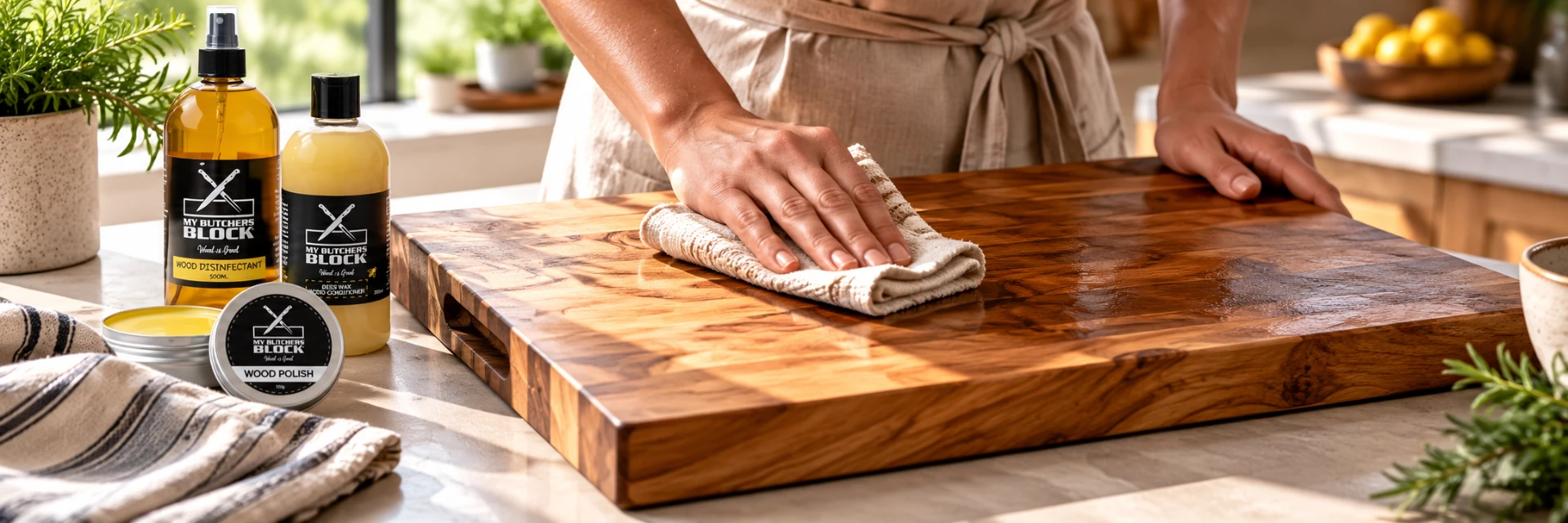
First-use preparation, everyday washing and drying, oiling, odour and stain removal, and the signs that a board has reached the end of its working life.
Buying Guides
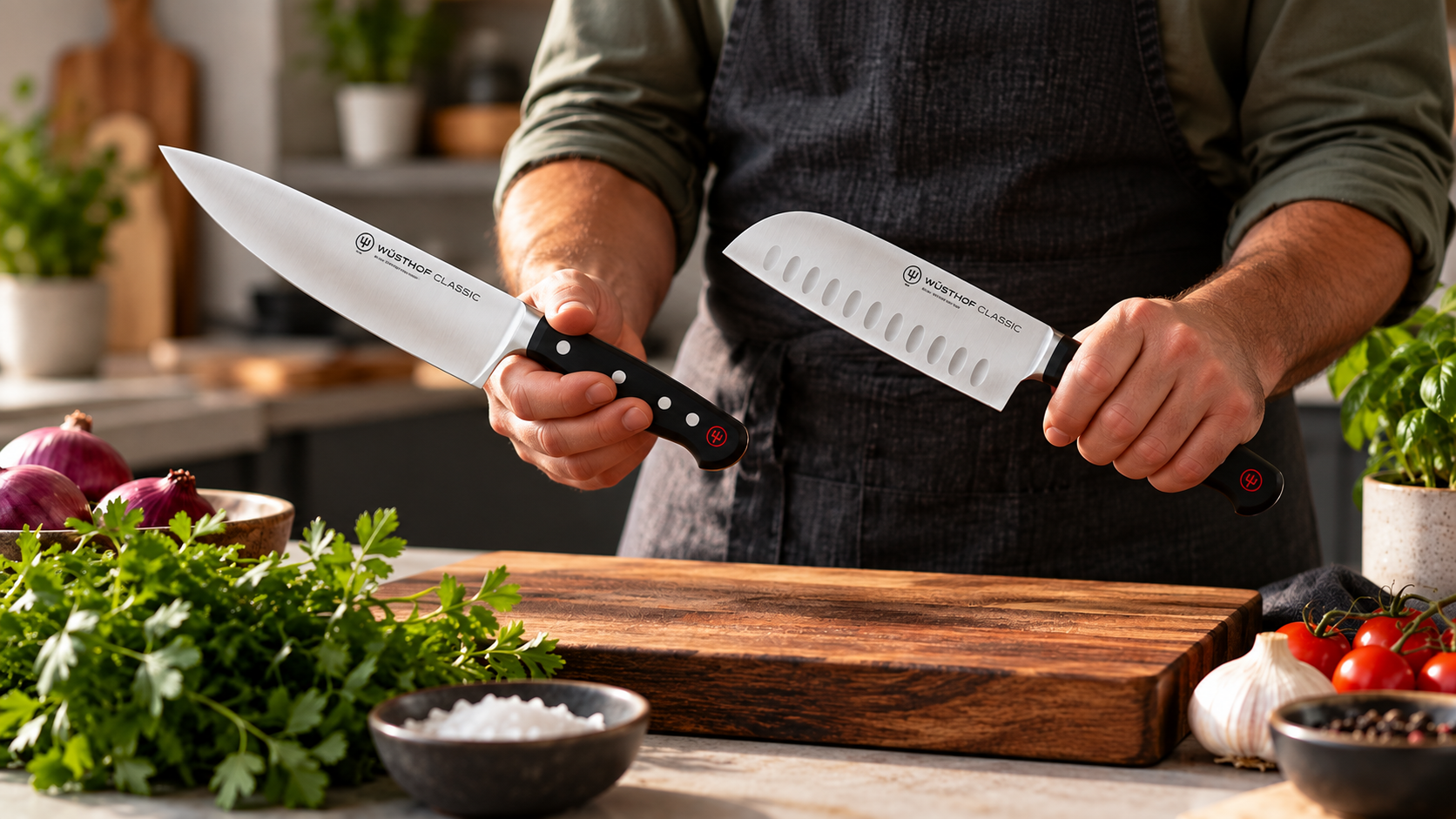
Chef's knife, santoku, paring, bread and carving knives compared: blade shape, useful sizes, cutting style, grip and the home-kitchen jobs each one suits, plus when one knife covers most of it.