
How To
How to care for non-stick cookware
First use, heat control, utensils, cleaning, storage and the honest signs that a coating is finished — a practical guide to making non-stick cookware last.
Silicone, nylon, wood and stainless steel each have a job, a heat limit and a way they like to be washed. Match the tool to the pan, keep it off hot rims, and a good set lasts for years.
By Cookin · 24 September 2026 · 3 min read
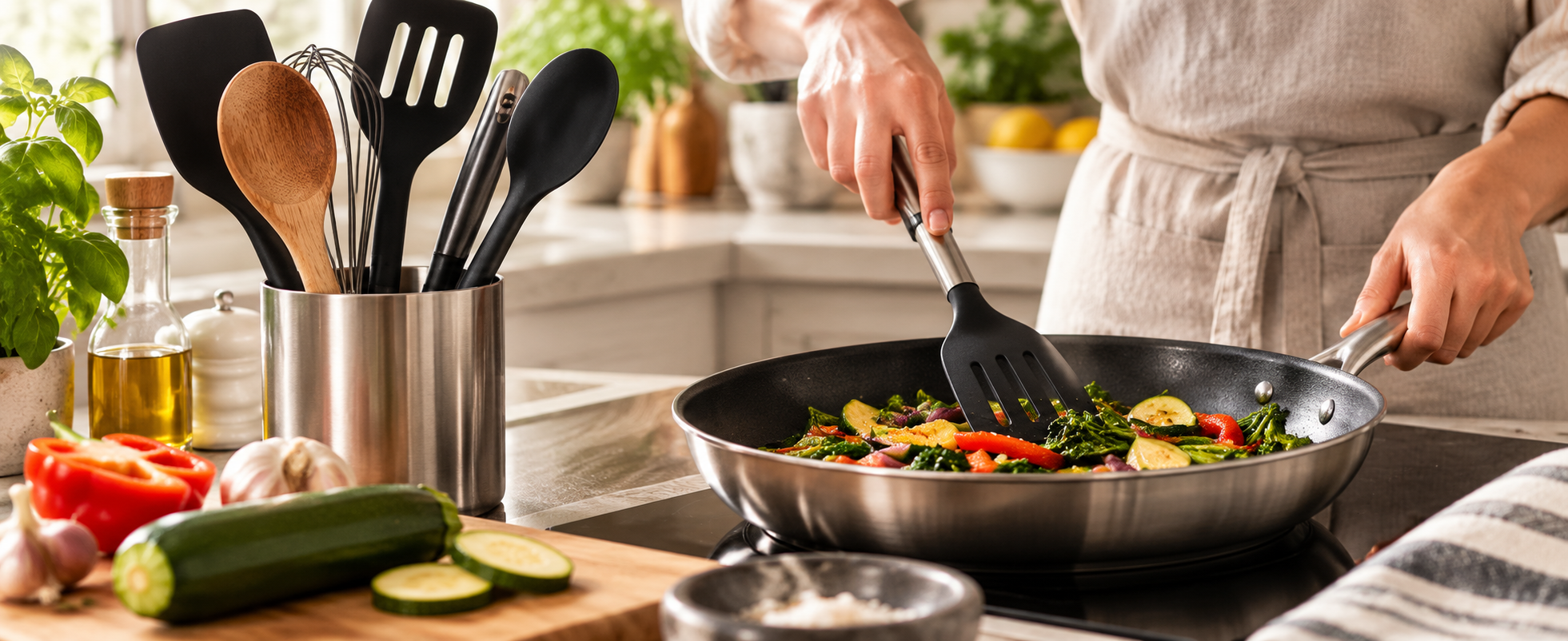
Spatulas, spoons, turners, tongs and whisks do more work than any pan in the kitchen, yet they are the tools most likely to be left resting on a hot rim or thrown in the dishwasher without a thought. Each material behaves differently with heat, water and cookware. This guide covers the four you are most likely to own. Heat ratings and dishwasher suitability vary by product, so where your utensil's own instructions differ, follow the manufacturer.
Silicone is flexible, gentle on coatings and usually heat-resistant to around 200–260°C depending on the product — ideal for scraping bowls, folding and stirring sauces. Nylon is stiffer and cheaper but typically rated lower, often around 200°C, and will soften or melt if left against a hot pan. Wood does not scratch, stays cool to hold and does not melt, but it absorbs water and needs drying and the occasional oiling. Stainless steel is the most heat-proof and hygienic, and the right choice for high-heat searing, braai work and deep-frying.
Dry wooden tools with a tea towel and stand them upright, head up, so water drains away from the handle. Metal tongs and whisks with hollow handles should be dried fully to avoid spotting. In humid coastal kitchens, give everything a little longer before it goes back into a drawer or pot.
Every few weeks, or whenever a wooden spoon looks pale and dry, rub it with a little food-safe mineral oil or board oil, leave it overnight, and wipe off the excess. If the grain feels fuzzy after washing, a light sand with fine sandpaper followed by oil brings it back. Avoid olive or sunflower oil for this; they can turn rancid in the wood.
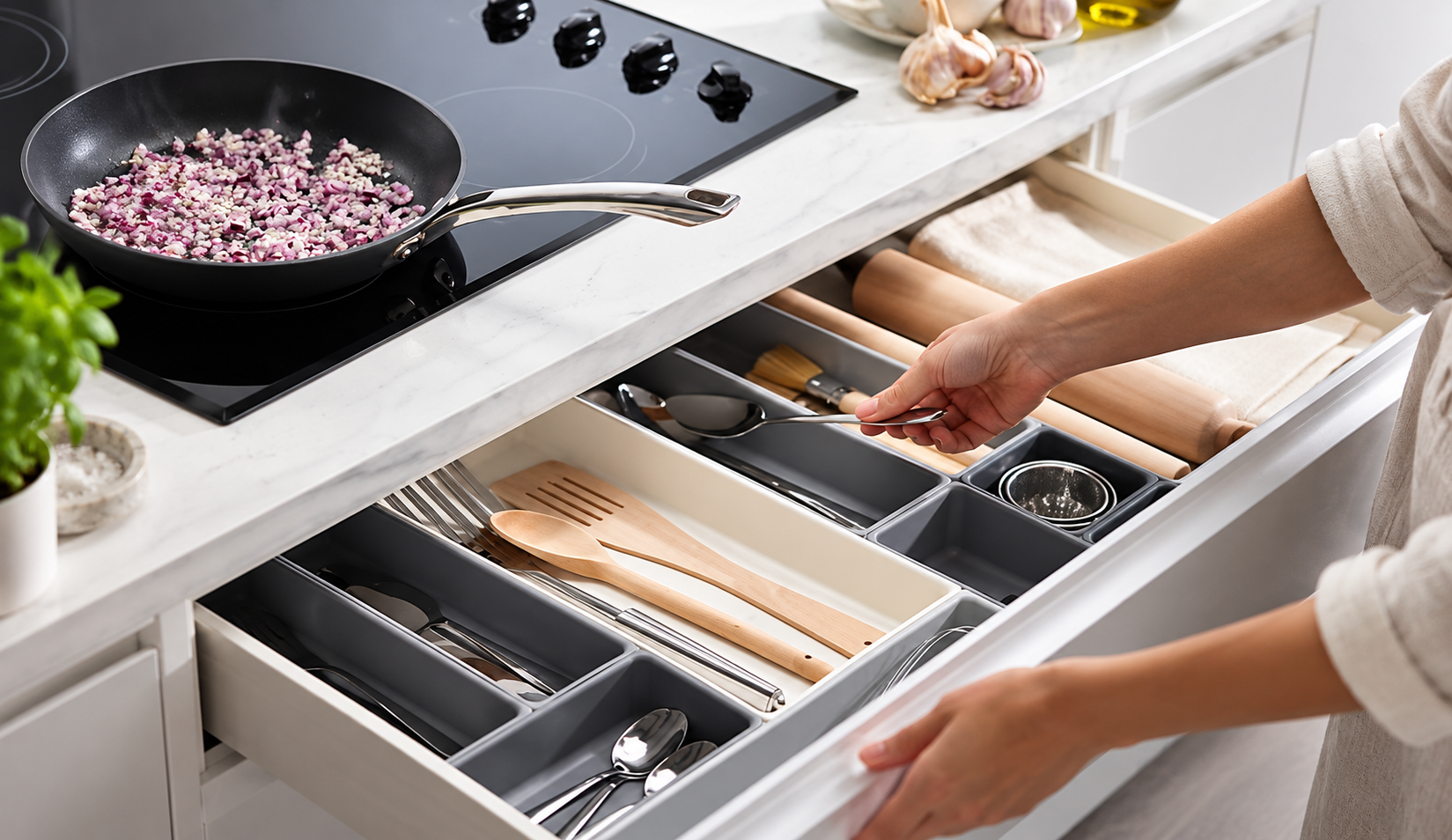
A utensil pot beside the stove keeps everyday tools dry and to hand; a drawer organiser keeps the rest from tangling. Store tools only once they are dry, and keep sharp-edged metal turners and graters away from silicone heads, which they can nick.
Where to look next
How To
First use, heat control, utensils, cleaning, storage and the honest signs that a coating is finished — a practical guide to making non-stick cookware last.
How To
Seasoning, heat control, oils, cleaning, drying, rust, acidic food and storage — a practical guide to keeping bare and enamelled cast iron cooking well for decades.
How To
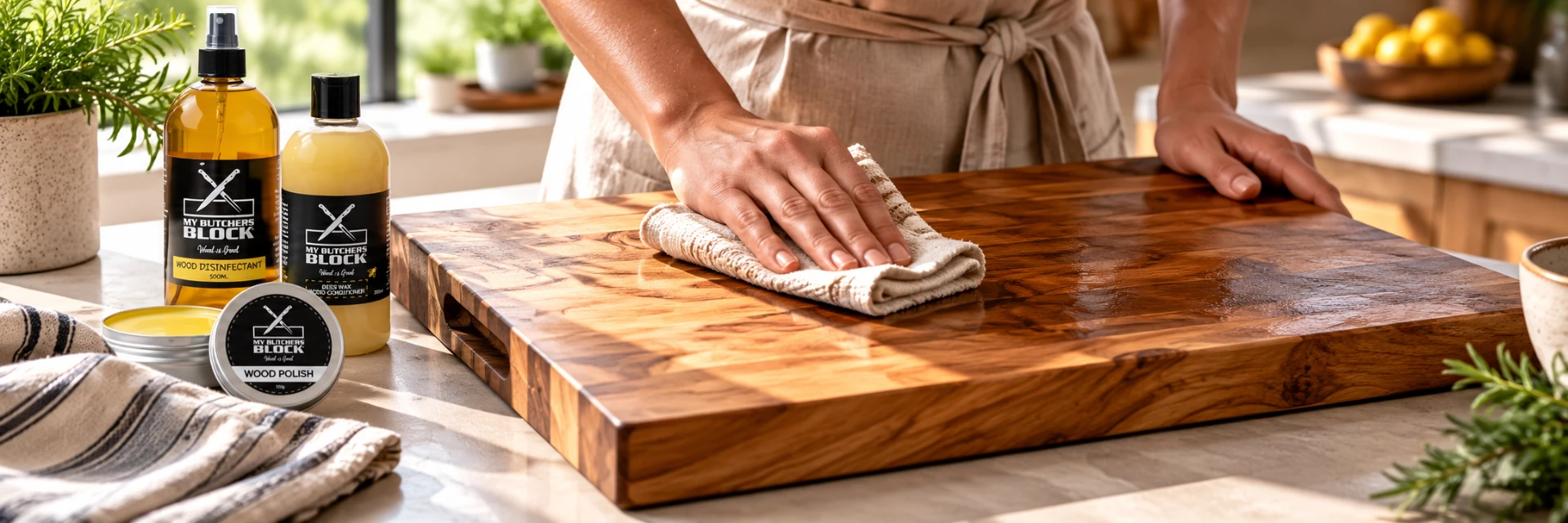
First-use preparation, everyday washing and drying, oiling, odour and stain removal, and the signs that a board has reached the end of its working life.