
Cookin Edits
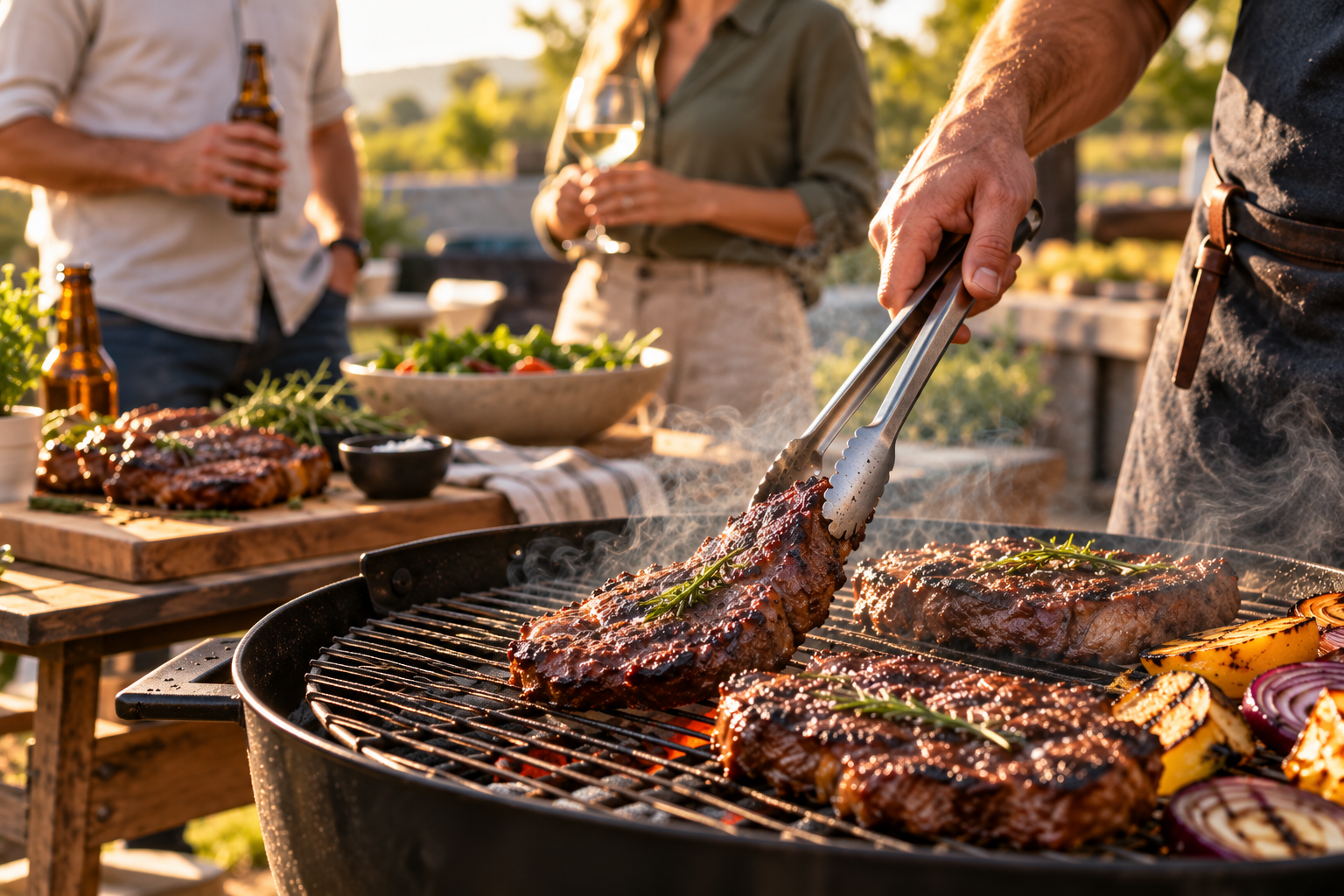
The braai table
A Cookin edit on the South African braai as an afternoon rather than a meal — the timing, the table, and the handful of pieces that make it effortless.
A calm, practical plan for four crisp, well-balanced pizzas — whether you are working with a domestic oven or a dedicated outdoor pizza oven.
By Cookin · 24 September 2026 · 4 min read

Pizza night works best when the dough, heat and toppings are ready before anyone asks when dinner is coming. This provisional recipe uses a manageable same-day dough and a restrained tomato-and-mozzarella topping. It is written for either a very hot domestic oven or a dedicated pizza oven, without pretending the two will produce an identical crust.
A domestic oven usually tops out around 230–250°C. Give it a full preheat with a pizza stone or steel inside, make slightly smaller pizzas and expect a longer bake with a firmer, more evenly coloured crust. A dedicated pizza oven can run around 400–450°C at the cooking surface, producing faster lift and spotting; the pizza must be turned and watched almost continuously.
A thin layer of tomato, properly drained mozzarella and a little olive oil are enough. Too much sauce or wet cheese slows the base before it can set, particularly in a domestic oven. Prepare every topping before shaping, but dress only one pizza at a time and launch it promptly.
Press from the centre outwards, leaving a narrow untouched border. Lift and stretch the dough over your knuckles rather than using a rolling pin, which pushes out the gas built during proofing. Stop if the dough springs back; a short rest is more effective than forcing it.
The recipe
Same-day dough
Tomato base
To top and finish
Mix the flour and yeast in a large bowl. Add the water and stir until no dry flour remains. Cover and rest for 20 minutes, then add the salt and olive oil. Knead for 8–10 minutes by hand, until the dough is smoother and elastic but still slightly tacky.
Cover and leave at a moderate room temperature for an indicative 2–3 hours, until visibly expanded and aerated rather than simply watching the clock. Divide into four equal pieces of about 270g, shape into tight balls, cover and leave for a further 60–90 minutes, until relaxed enough to stretch without springing back sharply.
For the sauce, crush the tomatoes by hand or pulse briefly, then mix with the salt and olive oil. Do not cook it. Drain the mozzarella well; if it is very wet, tear it onto a clean cloth or paper towel before the oven is hot.
For a domestic oven, place a pizza stone or steel on a rack in the upper third and preheat at the oven’s highest setting, ideally 250°C, for at least 45–60 minutes. For a dedicated pizza oven, heat according to its instructions and use an infrared thermometer to confirm an indicative cooking-surface range of 400–450°C before launch.
Dust the work surface lightly. Press one dough ball from the centre out, preserving a 1–2cm rim, then stretch it gently to 25–28cm. Transfer it to a lightly dusted peel and shake once to confirm it moves freely.
Spread about one quarter of the tomato base in a thin layer, leaving the rim clear. Add one quarter of the mozzarella without crowding the centre and finish with a small drizzle of olive oil. Launch immediately.
In a domestic oven, bake for an indicative 7–10 minutes, turning once if the oven colours unevenly, until the rim is well browned, the cheese is bubbling and the base is set. In a dedicated pizza oven, bake for an indicative 60–120 seconds, turning every 20–30 seconds as the side facing the flame colours. Oven design and measured heat matter more than the clock.
Move the pizza to a board, add basil and optional grated cheese, then wait about 1 minute before cutting. Return the oven or stone to temperature while shaping the next pizza, and serve each one hot as part of the rhythm of the evening.
Notes
Where to look next
Cookin Edits
A Cookin edit on the South African braai as an afternoon rather than a meal — the timing, the table, and the handful of pieces that make it effortless.

Buying Guides
A short, honest equipment list for a first flat, a self-catering rental or an Airbnb kitchen — what to buy well, what to buy cheaply, and what to skip entirely.
How To
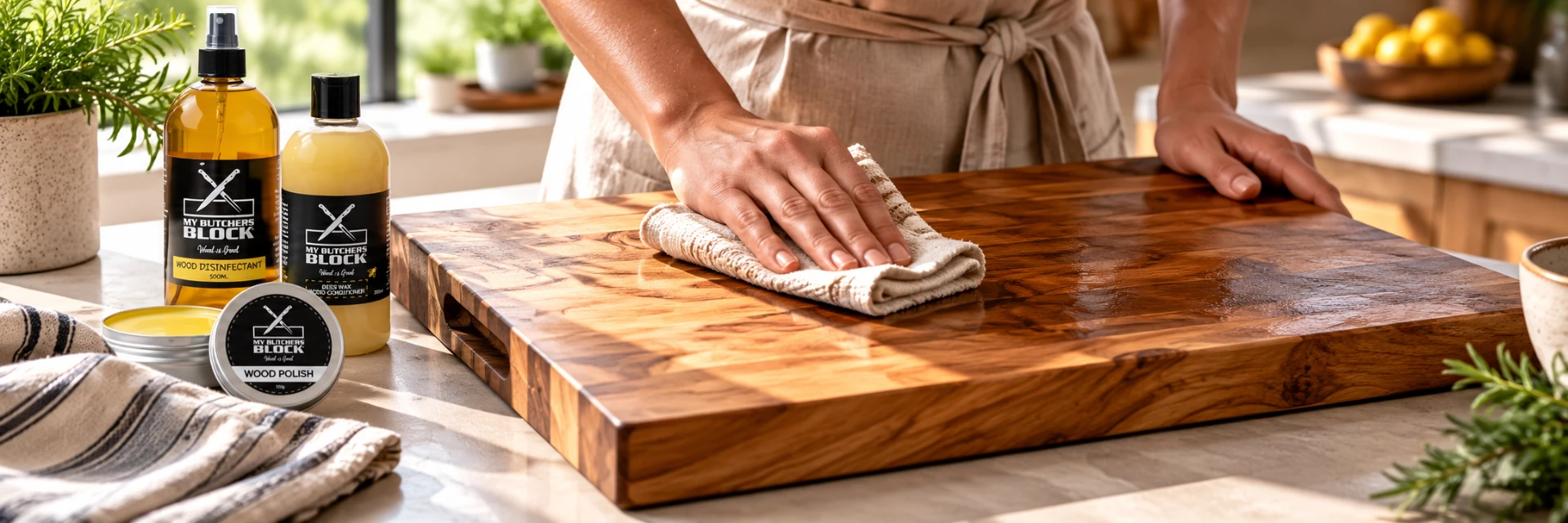
First-use preparation, everyday washing and drying, oiling, odour and stain removal, and the signs that a board has reached the end of its working life.